
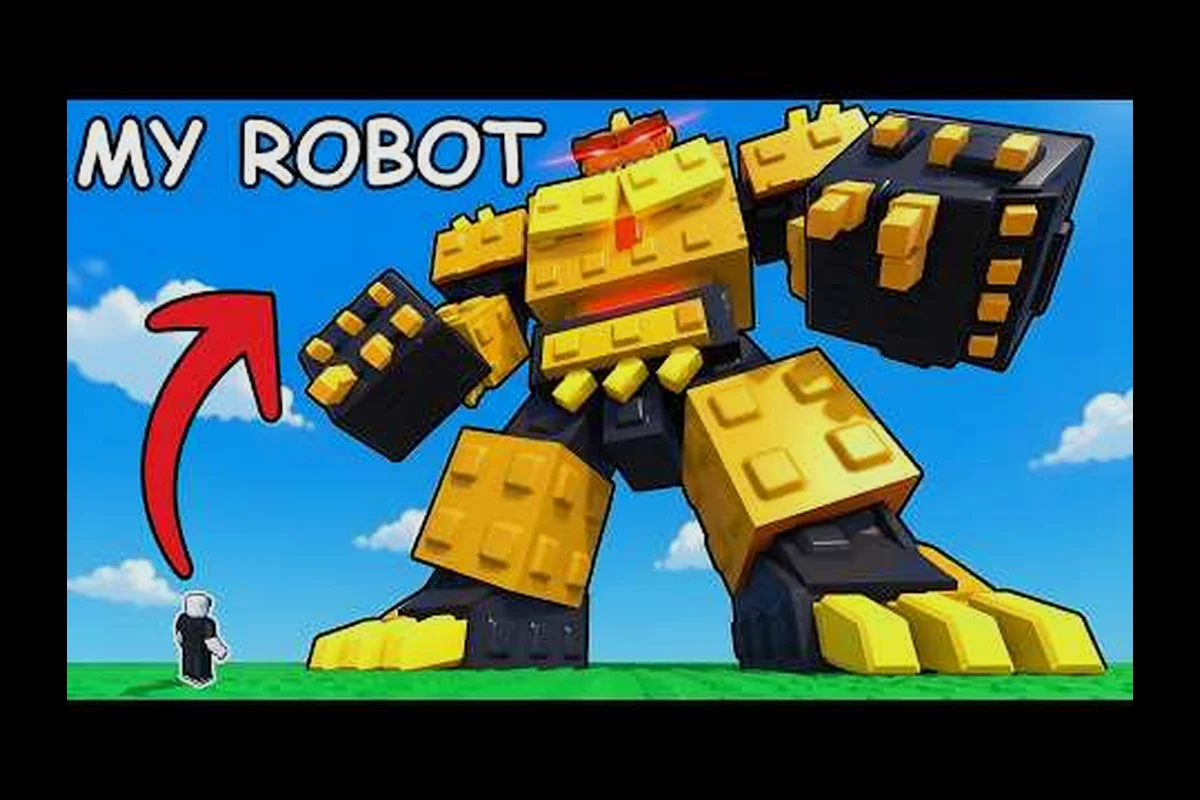
A steel fighters tier list maker helps you compare robots by real progression value instead of guessing. Build a personal chart that separates your best starter robot from reliable free picks and the strongest endgame contenders, ranking each unit by damage output, fire rate, health, and cost-effectiveness. A practical example would place a low-cost starter in the opening tier, a fully free mid-range robot in the reliable picks, and high-stat endgame units in the top tier. This makes your Steel Fighters ranked robots list more useful for deciding which robot to upgrade, equip, or test next.
What a Steel Fighters Tier List Maker Measures
A useful Steel Fighters tier list maker does more than place robot names into letters. It should compare performance, availability, upgrade potential, and how a robot fits into the endless-floor progression loop. That matters because Steel Fighters supports assembling robots from more than 100 combinations, collecting scrap in the Junkyard, upgrading parts, and challenging increasingly powerful bosses.
The official Steel Fighters game page on Roblox identifies the game as a simulation released by WeShowProjects on September 7, 2026. It also confirms the core systems that matter for ranking: mixed robot builds, endless floors, boss fights, part upgrades, and rebirth-based progression. Those systems provide a grounded framework for the Steel Fighters robot tier list maker rather than an arbitrary popularity chart.
A tier label should answer a practical question: Which robot gives the most value at the current stage of my account? The best answer can change after a rebirth, when a stronger multiplier makes a formerly average build much more effective.
Recommended Tier Structure
A clear chart is easier to maintain when each tier has one defined purpose, so use the S–E structure below as the baseline for your steel fighters tier list maker. Update tiers one at a time as new evidence appears: for example, promote a robot after its damage, survivability, or rebirth efficiency improves, but avoid reshuffling several entries simply because its appearance changes. This keeps comparisons consistent when evaluating the best starter robot, best free robot, or endgame tier list.
| Tier | Meaning | Typical role in a ranking |
|---|---|---|
| S | Exceptional performance and progression value | First choice when available |
| A | Strong, dependable, and easy to recommend | Reliable general-purpose picks |
| B | Useful with the right parts or investment | Valuable specialists or situational picks |
| C | Functional but held back by cost or limits | Better for temporary or early goals |
| D | Weak relative to other options | Usually replaced after the early game |
| E | Fills a narrow need only | Avoid for long-term development |
Do not place a robot in S simply because it looks impressive. A build belongs there when its practical advantages are clear, such as stronger floor performance, better use of upgraded parts, or smoother access to the next rebirth milestone.
The Four Ranking Criteria
| Criterion | What to inspect | Why it affects placement |
|---|---|---|
| Raw combat strength | Damage, durability, speed, and ability to defeat enemies | Measures immediate performance on a floor |
| Resource efficiency | Scrap use, upgrade requirements, and rebuild frequency | Shows how affordable sustained progress is |
| Availability | Free access, unlock conditions, and collection difficulty | Separates strong free options from costly favorites |
| Scaling | Performance after upgrades and rebirths | Prevents a weak early build from being ranked too highly |
Community experience is useful for judging the relative efficiency of specific builds, but it should be treated as reported testing rather than a permanent stat sheet. Roblox balance changes, new robot releases, and account bonuses can alter results, so record the date whenever you test a controversial placement.
Steel Fighters Ranked Robots by Progression Stage
The Steel Fighters ranked robots list becomes much clearer when each robot is evaluated at a specific point in the account cycle. A strong starter may outperform an expensive option because it lets a player collect scrap and reach the next milestone sooner. An endgame build, meanwhile, should remain strong after multiple rebirths and tougher boss attempts.
Early-Game Ranking
For new accounts, the Steel Fighters best starter robot is whichever machine gives the fastest, least frustrating progress through the first floors. Availability matters as much as theoretical power. A free robot that can be equipped immediately is often more valuable than a stronger unit that requires a long grind.
The official game features and player tutorials point to three important early priorities: claim available rewards, gather scrap through the Junkyard, and upgrade the parts that directly affect survival. New accounts should also expand their lineup as they unlock more units, because adding robots can help push toward floor 30 and beyond. A broader Steel Fighters robot comparison can help you organize those early choices by form, skills, and upgrade value.
| Early-game priority | Ranking question | Preferred outcome |
|---|---|---|
| First robot | Can a new player use it immediately? | Immediate access |
| First upgrade | Which stat gives the largest progress gain? | Better floor performance |
| First boss | Can the lineup survive repeated attempts? | Reliable damage and durability |
| First rebirth | Does the robot help reach the multiplier threshold? | Faster reset cycle |
The Steel Fighters best free robot should earn a high early-game rating when it is useful without requiring premium currency, rare materials, or a long unlock chain. A free unit may not belong in the Steel Fighters endgame tier list, but strong availability makes it a sensible first choice and a dependable backup.
Midgame Ranking
Midgame ranking begins when the account has enough scrap to rebuild selectively, enough floors to expose weaknesses, and enough rebirths to make the permanent multiplier relevant. A robot that wins every early fight but prevents smooth farming may be less valuable than one with balanced stats.
A practical Steel Fighters tier list maker should record the floor reached before and after major upgrades. If one build advances several floors after a focused part upgrade, that is stronger evidence than a general player impression. The same method helps determine which support robot can contribute effectively without monopolizing the lineup. More options appear in the Steel Fighters support robot guide.
| Midgame test | What to measure | Result to record |
|---|---|---|
| Floor efficiency | Floors cleared per session | Farming consistency |
| Boss endurance | Attempts needed for the target boss | Reliability under pressure |
| Upgrade response | Gain after changing one part | Return on resources |
| Rebirth progress | Growth toward the next reset threshold | Long-term efficiency |
Endgame Ranking
The Steel Fighters endgame tier list is reserved for robots that retain value when enemy strength, rebuild costs, and rebirth multipliers are high. An endgame ranking should reflect repeated performance, not a single easy boss clear. This is also where a more complete Steel Fighters tier list for 2026 becomes useful for comparing current S-tier and A-tier contenders separately from starter favorites.
| Endgame factor | Strong signal | Weak signal |
|---|---|---|
| Floor scaling | Keeps pace with tougher enemies | Wins only under ideal conditions |
| Boss performance | Handles repeated endgame encounters | Requires rare attempts |
| Upgrade ceiling | Benefits from every invested part | Has a narrow stat range |
| Rebirth value | Remains efficient after resets | Falls behind stronger multipliers |
Because Steel Fighters supports more than 100 robot combinations, the concept of an endgame robot is not always about one rigid model. A strong combination can outperform a nominal rarity tier if its parts complement the current multiplier and floor difficulty. Evaluate the assembled machine, not just the head of the lineup.
How to Build a Steel Fighters Robot Tier List Maker
Building a Steel Fighters robot tier list maker can be as simple as a spreadsheet with six columns. The goal is to turn subjective impressions into repeatable tests. A chart becomes trustworthy when another player can understand why a robot received its placement and reproduce the result.
Start with a blank table and separate combat results from account conditions. Include the rebirth multiplier, target floor, boss attempt, and whether the robot was free, unlocked, or assembled from saved scrap. Without those details, comparisons from different account stages become misleading.
Ranking Workflow
| Step | Action | Record kept |
|---|---|---|
| 1 | Choose the account stage | Early, midgame, or endgame |
| 2 | List eligible robots | Every robot actually accessible |
| 3 | Record the active build | Parts, lineup, and multiplier |
| 4 | Test target encounters | Floor reached and boss attempts |
| 5 | Score the four criteria | Combat, resources, access, scaling |
| 6 | Assign a tier | Highest supported by the evidence |
| 7 | Review after changes | Date, patch context, and account state |
Avoid changing five placements after one favorable match. The Steel Fighters tier list maker is more accurate when each ranking reflects a repeatable set of fights and resource checks. Keep notes on damage, survival, and progress speed separately, then let the score reveal the overall tier.
A Simple Scoring Template
Use a 1–5 score for each criterion—such as combat performance, survivability, upgrade potential, and early-game usefulness—giving each Steel Fighters robot a maximum total of 20. This keeps the tier list maker transparent without pretending the game exposes official competitive ratings. For example, a starter robot that scores 4 for damage, 4 for durability, 3 for scaling, and 4 for accessibility reaches 15 and lands in the suggested A tier, while a rare robot with the same combat strength but weaker availability can still rank highly if its upgrade ceiling justifies the acquisition cost.
| Score range | Suggested tier | Interpretation |
|---|---|---|
| 18–20 | S | Outstanding performance and scaling |
| 15–17 | A | Strong and broadly useful |
| 11–14 | B | Effective with conditions |
| 7–10 | C | Functional but replaceable |
| 4–6 | D | Below most current options |
| 1–3 | E | Minimal practical value |
Availability can act as a small adjustment rather than a giant multiplier. A rare robot that performs one tier below an accessible option may still deserve a strong placement if it scales well. Conversely, a free unit should not receive a weak score solely because it is common when it remains effective through the early game.
Updating the Chart Responsibly
The Steel Fighters robot tier list offers a useful benchmark for major placements, but a personal chart should reflect your own account. Mark each result as verified, provisional, or untested. A provisional placement can catch useful candidates, while an untested label prevents assumptions from becoming false certainty in the final ranking.
Community reports and player-created lists are most valuable when they explain the test conditions. A floor 20 result after two rebirths should not be compared directly with a floor 10 result from a fresh account. Record the context, rerun questionable matches, and promote a robot only when the result repeats.
Best Starter and Free Robot Choices
The Steel Fighters best starter robot should reduce early friction, not merely win an easy duel. Players need clear progress through the opening floors, enough survival to attempt bosses, and a build that does not consume every resource needed for a second attempt. The first robot also teaches how parts, damage, and team composition work, so clarity has real long-term value.
A free reward can be the best starting point, but only if the player understands its limits. The Steel Fighters best free robot should be evaluated for immediate use, survivability, upgrade compatibility, and whether it helps unlock stronger units. A reward that teaches the upgrade loop may be more valuable in the first hour than a nominally stronger option that is difficult to maintain.
Starter and Free Pick Criteria
| Category | What makes the pick strong | What weakens it |
|---|---|---|
| Starter availability | Available at the beginning | Long unlock or currency requirement |
| Floor performance | Progress improves on the first floors | Weak against standard enemies |
| Boss utility | Helps secure early milestones | Dies before the damage window |
| Upgrade fit | Parts improve useful strengths | Requires expensive rebuilds |
| Free reward value | Adds immediate options to the lineup | Quickly becomes unusable |
Beginner tutorials emphasize claiming rewards in a sensible order, collecting scrap in the Junkyard, and prioritizing stats that support early floor progress. A beginner-focused Steel Fighters robot guide can complement the tier chart by separating support choices from direct damage dealers.
Recommended First-Lineup Strategy
A practical first lineup mixes roles rather than placing identical fighters together. For example, use one dependable damage dealer, one sturdier unit, and a support choice if one is available. Test the lineup on the first boss before replacing components, because a successful team can be more valuable than a marginal upgrade to a single robot.
Keep the starter rotation narrow until the first clear progression target. Upgrade one essential part at a time, record the change in floor efficiency, and avoid rebuilding simply because a new component looks stronger. Once a reliable unit earns A or S placement, move the saved scrap toward a complementary robot instead of creating several unfinished builds.
When to Replace a Starter
| Signal | Action |
|---|---|
| Boss attempts stop improving | Replace the weakest damage slot |
| Resource income falls behind costs | Prioritize efficiency over raw power |
| A new unit provides a missing role | Test it beside the current starter |
| Rebirth changes the multiplier | Retest before preserving the old ranking |
Community sources such as the Ricoko beginner tutorial and showcase emphasize early reward collection, Junkyard routes, and stat priorities. Treat these as player-tested guidance rather than a permanent balance document, and confirm the current behavior in your own version.
Endgame Tier List and Team-Building Priorities
The Steel Fighters endgame tier list should reward robots that continue performing after the account reaches tougher floors. Enemy scaling makes raw early performance less decisive, while efficient upgrades and rebirth multipliers determine how quickly the account can continue moving forward. Strong endgame builds also need enough endurance to handle repeated boss attempts without draining resources faster than the player can recover them.
A personal endgame chart is most reliable when it tracks the complete lineup. The Steel Fighters ranked robots list can label individual machines, but a boss encounter is often decided by the team around them. A slightly weaker damage unit may perform better when it protects a stronger core, while an over-invested lineup can waste the multiplier gained through rebirth.
Endgame Test Categories
| Test | What success looks like | Why it matters |
|---|---|---|
| Late-floor sweep | Regular floor progress with manageable retries | Confirms scalable performance |
| Boss consistency | Predictable results under repeated attempts | Measures team endurance |
| Scrap efficiency | Earned scrap rebuilds key parts | Shows economic sustainability |
| Rebirth cycle | Progress accelerates after each reset | Confirms permanent scaling |
| Build flexibility | Several parts remain worth using | Reduces dead investment |
Rebirth is a major part of the loop because it can improve the account’s permanent multiplier. Player demonstrations, including VendoPlus rebirth walkthrough, focus on accumulating experience, resetting at an advantageous threshold, and shortening the grind between resets. A robot that reaches the next rebirth target sooner may deserve a higher rank than one that wins individual fights but slows the overall cycle.
Prioritizing the Team Instead of One Robot
Start by identifying the team’s largest weakness. If bosses survive too long, improve damage. If the lineup collapses under repeated attacks, improve durability. If progress is slow despite successful fights, improve movement, farming efficiency, or resource gains rather than adding unnecessary power.
Use the endgame bottleneck test before assigning final tiers: measure both boss clear time and failure rate with the current lineup, then change only the stat or role responsible for the bottleneck. If the same steel fighter survives every attempt but cannot out-damage the boss, prioritize damage upgrades; if it dies to repeated attacks, test durability, healing, or support coverage instead. A roster that clears quickly but farms poorly should remain below a balanced lineup capable of reaching higher floors and earning scrap, since consistent rebirth progress matters as much as one successful boss kill.
| Weakness observed | First change | Secondary check |
|---|---|---|
| Boss health remains high | Upgrade primary damage | Confirm survival still holds |
| Frequent deaths | Upgrade durability or support | Compare attempt time |
| Slow floor advancement | Improve speed or efficiency | Test scrap income |
| Weak progress after rebirth | Revisit multiplier timing | Check part efficiency |
Team play and broader lineups also help players reach milestone floors, as shown in VendoPlus floor progression guide. The useful ranking lesson is that additional robots are not automatically better. A new unit earns a place when it fills a missing role, accelerates farming, or stabilizes boss attempts.
Maintaining a Trustworthy Personal Tier Chart
The value of a Steel Fighters tier list maker depends on maintaining clear evidence. Keep a short history for every major movement, and label conclusions that rely on community reports or limited testing. As the game updates, revise the chart rather than treating a launch-day ranking as permanent.
A good chart also separates three ideas that are often mixed together: robot strength, robot availability, and account progression. A rare unit may be stronger but less practical; a free robot may be weaker but better for a new account; a rebirth multiplier can make either one more valuable. The Steel Fighters robot tier list maker should make those distinctions visible in one glance.
Change-Log Template
| Date | Change | Evidence | Tiers affected |
|---|---|---|---|
| Test date | Placement moved after repeatable results | Floors, attempts, scrap gain | S and A |
| Test date | Free reward reevaluated | Early-floor and boss test | C and B |
| Test date | Build scaled after rebirth | Multiplier and cycle comparison | A and S |
| Update note | Availability or balance changed | Official game information | Any affected tier |
Review the chart after meaningful changes to robots, parts, or rebirth progression. Do not rewrite the entire ranking after every floor clear. A stability window of several sessions and multiple bosses produces more credible placements, especially for close S and A decisions.
Use the chart for decisions rather than display alone. Before committing scrap, ask whether the new robot improves the current bottleneck. Before a rebirth, check whether the team can reach the next threshold efficiently. Before calling a robot S-tier, confirm that the result holds across floors, bosses, and account stages.
Frequently Asked Questions
Can a free robot reach S tier in Steel Fighters?
Yes, if its combat performance, upgrade scaling, and team value match the best paid options at your current stage. Availability and account progress matter: a free robot can rank higher early because it is immediately usable, but expensive unlocks may overtake it after stronger multipliers and parts become available.
What is the best way to rank robots in Steel Fighters?
Test each robot under the same account stage, target floors, and boss conditions. Record damage, survival, scrap efficiency, upgrade value, and rebirth progress, then assign tiers from a consistent scoring sheet. This method makes a Steel Fighters robot tier list maker more useful than arranging robots by appearance or popularity alone.
Should the Steel Fighters best starter robot change after a rebirth?
Usually, yes. A rebirth can increase the permanent multiplier, alter resource efficiency, and make previously situational robots much stronger. Retest your starter against several floors and a boss before moving it. Keep the original ranking for new accounts, but create a separate post-rebirth tier whenever the account stage changes significantly.
How do I make an endgame tier list for Steel Fighters?
Measure late-floor progress, boss consistency, upgrade efficiency, and performance after rebirth. A robot should rank highly only if it remains useful after the early floors and does not consume disproportionate scrap. Evaluate the full lineup as well, because support and survival can change the result more than a small increase in raw damage.