
Robot Parts
Steel Fighters robot parts explained: head, torso, arm and leg slots, where parts drop, how upgrades work and which combos build the strongest machines in the game.
Introduction
Robot parts are what make Steel Fighters deeper than a collection game. Every robot you pilot is built from interchangeable head, torso, arm and leg parts, and the way those parts combine decides how your machine actually fights. Parts come from a few verified sources: Scrap runs in the Junkyard, floor rewards and special items like Golden Dice that power up your reward rolls. You invest Scrap and Cash to level parts and push your robot’s stats higher, and because matching part sets can outperform mixed random gear of higher rarity, smart combos often beat shiny individual items. The community organizes part discussion around slots, head, torso, arm and leg, and around build archetypes such as melee, ranged, tank and support. Because the official data is thin, exact per-slot bonuses come from player testing and should be read as community data, but the core structure of slots, drops, upgrades and combos is verified game design.
Part Slots & Sources
| Slot | Build Role | Verified Sources |
|---|---|---|
| Head Parts | Shape the look and identity of your machine | Scrap runs, floor rewards |
| Torso Parts | The central frame every build carries | Scrap runs, special rewards |
| Arm Parts | Key slot in most loadouts | Golden Dice, scrap runs |
| Leg Parts | Mobility-focused slot for your fighter | Floor rewards, rerolls |
Part Build Library
Head Parts
The top slot on every robot, used to shape the look and identity of your machine. Head pieces flow in from Scrap runs and floor rewards, and because every robot shares the same four slots you can swap heads freely to restyle frames as your collection grows.
Torso Parts
The central frame every build has to carry. Torso pieces anchor the body mass of your fighter, come from Scrap runs and special rewards, and pair naturally with set thinking since the torso is the biggest visual and structural element of the machine you field.
Arm Parts
One of the most loadout-critical slots on a fighter, because most builds load their main action here. Arms drop from Golden Dice and Scrap runs, and players building damage-focused robots tend to track their arm slot first when evaluating a new part or a reroll target.
Leg Parts
The mobility-focused bottom slot for your fighter. Legs arrive from floor rewards and reroll channels, and because spacing matters in fights against bosses and waves, players treat the leg slot as a real flex point when they tune a machine for speed or positioning.
Golden Dice & Rerolls
The luck-driven side of parts: Golden Dice power up reward rolls and rerolls randomize part stats, and both feed the high-end part economy. Matching set goals to your dice and reroll budget is the difference between random gear and a coherent build, per the verified rule that sets can beat rarity.
Set Combos
The verified heart of build theory: matching part sets can outperform mixed random gear of higher rarity. Practice set-first thinking, collect two or three set goals and let those goals steer drops, dice and rerolls. A complete set with modest rarity usually fights better than a mismatched collection of rare odds and ends.
Core Mechanics
The part economy runs on two currencies: Scrap, which you collect from Junkyard piles, and Cash, which flows from codes, floors and the friend bonus, and both feed part leveling. Each robot exposes four slots, head, torso, arms and legs, and every part you equip raises the stats that feed that slot for the robot as a whole. Drops arrive through Scrap runs, floor rewards and Golden Dice, while rerolls granted by certain rewards let you re-roll part stats until you land a better spread. Matching sets are a verified design idea: combos of parts that belong together can outperform mixed gear of a higher rarity, which is exactly the kind of insight that separates casual loadouts from serious builds. Upgrades cost Scrap and Cash and are the main way account power flows into your parts. Most of the depth here is community-tested rather than officially documented, so treat stat specifics as reports and lean on the interplay of slots, drops and combos that the game’s design confirms.
Advantages
Parts reward understanding over luck. Because matching sets can beat mixed high-rarity gear, a player who learns the part system out-performs a player who just stacks the shiniest items, which means research really pays. The four-slot structure also makes every robot a potential project: you can tune one machine for wave clearing, then swap parts to convert it into a boss killer, which stretches your roster further than a catalog of new robots ever could. Drops come from multiple verified channels, so you are never locked into one painful farm. And because upgrades accept both Scrap and Cash, normal play keeps your parts relevant without needing code luck, making part progression one of the most honest systems in the game for free-to-play players.
Challenges
Parts still suffer from the thin official data problem. Per-slot bonuses and part-pair math are mostly player-reported, which means guides can be wrong or become outdated after balance patches, and specific comparisons should be rechecked in-game. The drop system also involves luck: important pieces can sit behind Golden Dice rolls, rerolls or floor loot, so a wanted part does not have a fixed price tag and progress can stall waiting for a drop. Upgrades consume both Scrap and Cash, so splitting your income across too many parts can leave your whole loadout under-leveled. Finally, because updates change stats almost daily, a combo that is meta today can lose value quickly, and investing heavily in one niche set is a bet on the patch cadence staying calm.
Frequently Asked Questions
Where do robot parts drop in Steel Fighters?+
Do matching part sets really matter?+
What are extensions between upgrades and rerolls?+
Quick Tips
Invest upgrades in the parts you actually fight with. Upgrades cost both Scrap and Cash, so spreading your income thinly across a bench full of parts leaves your whole loadout under-leveled, while concentrating on your active head, torso, arms and legs compounds into real clear speed. Every session should start with a look at your equipped slots, level the piece that carries the most of your damage or survival and only then think about expanding. Depth through focus beats depth through hoarding.
Roll Golden Dice and rerolls toward the slots that matter, not the cheapest thrill. Golden Dice feed your reward economy and rerolls randomize part stats, and both are limited, so plan them. If your arms drag your damage, roll there; if your torso keeps your robot alive, protect that slot first. Matching sets can beat mixed rarity gear, so aim reroll budget at completing your set instead of chasing a single shiny piece.
Check for set synergy before you judge a part by rarity. Verified design says matching sets can outperform mixed gear of higher rarity, which inverts the normal game instinct. When you unbox a part, ask whether it completes or strengthens your current set before asking whether it is rare. Keep a running list of the two or three set combos you want, and let that list guide drops, dice and rerolls instead of reacting to individual items.
Featured
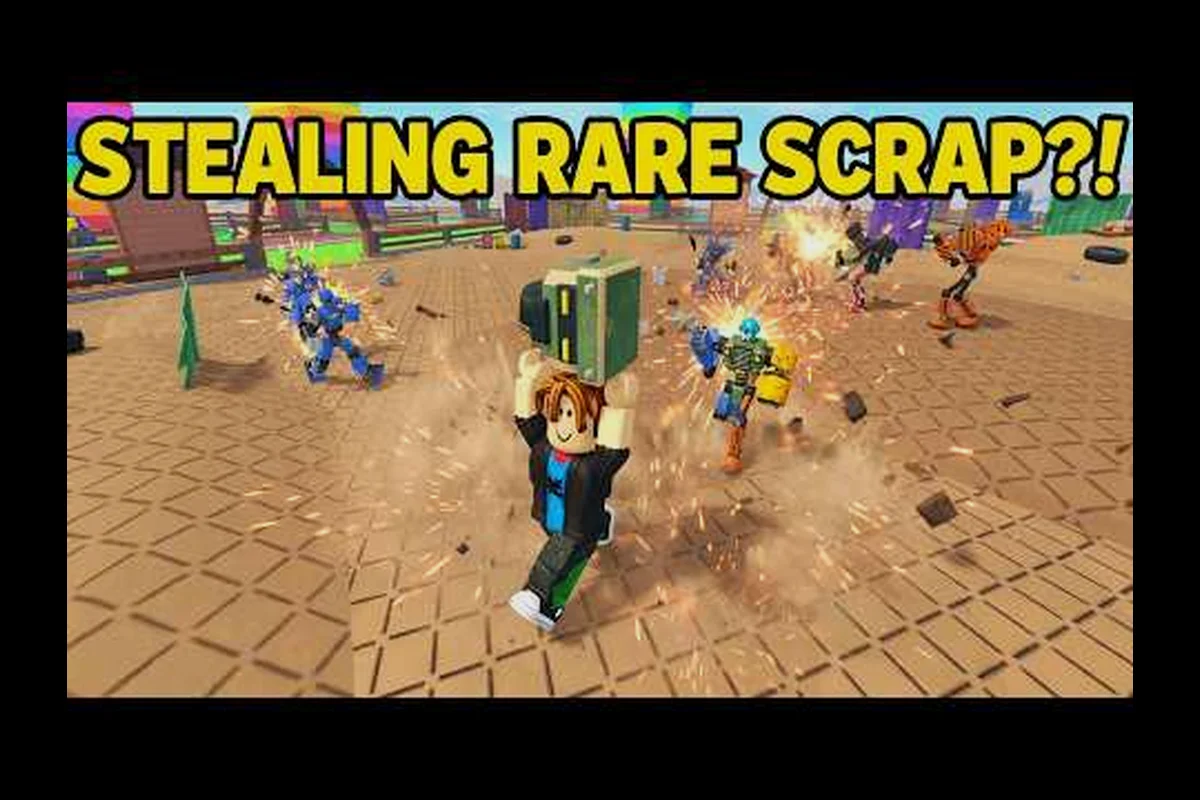
Steel Fighters Legendary Parts: Best Combos and Stats
Rank Steel Fighters legendary parts by stats and synergy, then discover strong head and torso combinations for completing elite robot builds.
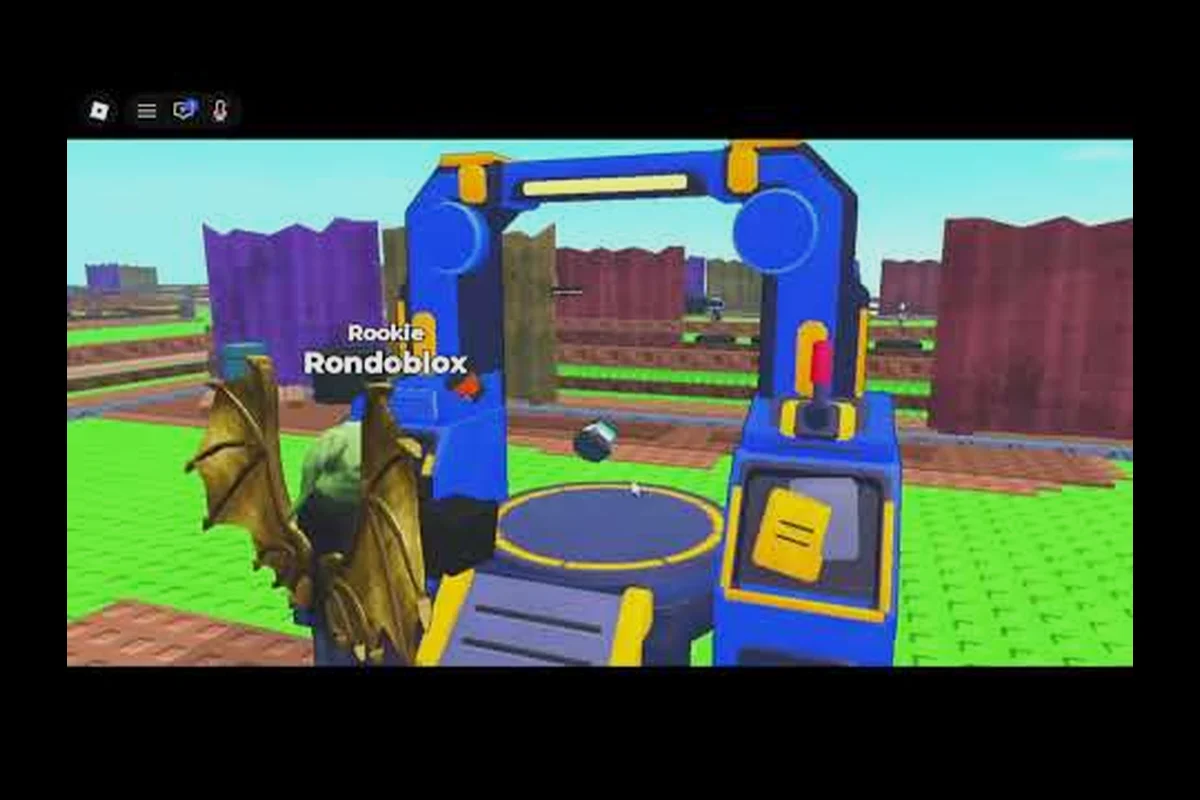
Steel Fighters Arm Parts: Melee, Ranged, and Special Picks
Compare steel fighters arm parts for melee, ranged, and special builds, with stat insights and farming advice for upgrading robots efficiently.

Steel Fighters Best Arm Parts by Combat Style
Compare Steel Fighters best arm parts for melee, ranged, and special attacks, with stat insights for choosing stronger robot builds.
All Articles
Steel Fighters Farm Parts Fast: Drops and Lucky Spins
Farm Steel Fighters parts fast with Lucky Spins, repeatable activities, recipes, and drop knowledge, plus ways to sell unwanted pieces for profit.

Steel Fighters Golden Dice Parts: Rerolls and Upgrades
Use Steel Fighters Golden Dice parts to reroll equipment, improve slot levels, and upgrade components with a focused strategy for rare gear.

Steel Fighters Max Parts: Merging Duplicates and Set Bonuses
Learn Steel Fighters max parts methods by merging duplicate gear, completing matching sets, and unlocking full-set bonuses for stronger robots.
Steel Fighters Robot Parts: Drops, Unlocks, and Rarities
Learn where Steel Fighters robot parts drop, how rare pieces unlock, and how to collect heads, torsos, arms, and legs for stronger builds.