
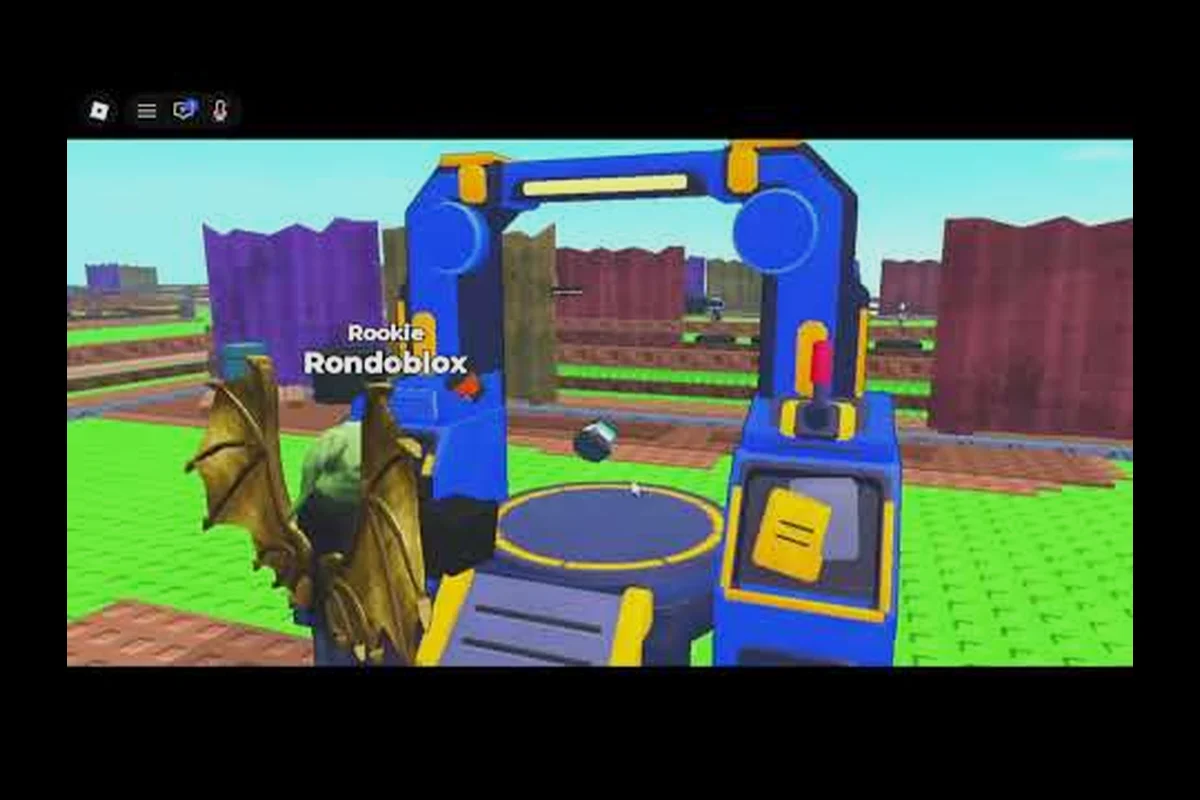
Steel fighters arm parts determine whether a robot delivers close-range melee damage or keeps distance with ranged attacks, making their stats central to every build. Compare damage, attack speed, range, and special-part effects against the intended farming route, then pair the best arm parts with compatible steel fighters leg parts and robot limbs. For example, a slow, high-damage melee setup may suit dense combat areas, while faster ranged arms can make repeated part farming more efficient.
How Steel Fighters Arm Parts Define Your Build
Steel Fighters uses interchangeable robot limbs, and the arms determine much of a robot’s attack behavior. A player can create a close-range brawler with heavy strikes, a ranged fighter with projectiles, or a special build that supports a less conventional playstyle. The official Steel Fighters game page confirms that robots are assembled from a catalog of more than 100 designs and that floor progression, bosses, Junkyard runs, scrap collection, upgrades, and rebirths all contribute to progression.
That makes part selection a progression decision rather than a cosmetic choice. A strong arm can be valuable immediately, yet the best upgrade depends on the robot’s role, available resources, and the floors the player intends to clear. A new player may favor straightforward damage and survivability, while an experienced player can compare the underlying stat structure and reserve premium components for a complete build.
The broader Steel Fighters robot parts overview explains where the component categories fit into the wider assembly system. The practical question, however, is how arms behave once they are equipped, upgraded, and paired with suitable supporting parts.
Core Arm Categories
| Arm category | Primary function | Best fit | Typical build priority |
|---|---|---|---|
| Melee arms | Damage enemies at close range | Brawlers, tanks, boss fighters | Damage, reach, attack speed |
| Ranged arms | Deliver attacks from a distance | Marksmen and evasive robots | Accuracy, projectile power, range |
| Special arms | Provide distinctive effects or utility | Hybrid and experimental builds | Bonus effects, flexibility, synergies |
| Utility-focused arms | Support survivability or consistency | Mixed-team robots | Defense, cooldown control, stability |
The names in the table describe purposes, not confirmed tier rankings. Steel Fighters has evolved since its September 2026 release, and community reports should be treated as patch-dependent rather than permanent balance facts. As of October 25, 2026, the available information confirms a broad robot catalog and multiple progression systems, but it does not provide a reliable universal percentage for every arm statistic.
What Matters Most
A useful comparison begins with attack pattern, because an arm that offers excellent damage may still feel weak if its timing, reach, or targeting behavior does not suit the encounter. Follow that with upgrade efficiency: a common part that levels quickly can outperform a rare part for an early robot. Build compatibility comes next, especially when arms depend on specific legs, torsos, or head parts. Finally, consider resource cost, since Scrap and Cash are both spent while upgrading components, and a premium arm with a steep level requirement can delay the rest of the machine.
These priorities also explain why a mixed set can be stronger than a matching visual theme. Player experience reported in the VendoPlus video Steel Fighters robot parts building video shows that combining components from different robots can produce strong results, while the same community guide indicates that matched sets may have advantages in some configurations. The takeaway is not that one rule always wins; it is that every part should be evaluated in the context of the finished robot.
Melee and Ranged Steel Fighters Arm Parts Compared
Steel fighters melee parts and steel fighters ranged parts serve fundamentally different combat roles. Melee arms need enough power and consistency to survive dangerous approach windows, while ranged arms need reliable damage without making the robot too fragile. Comparing them only by the largest visible stat is misleading because attack behavior, upgrade speed, and build support can matter more in practice.
Close-Range Power
A melee build is strongest when its robot can reach a target, land the first exchange, and avoid being interrupted. Damage is the obvious priority, but attack speed can also determine how quickly a robot breaks through an enemy’s health. If the available arm has a slightly lower damage value but a much cheaper upgrade path, it may remain more efficient for several floors.
Players should also watch how a pair of arms affects the robot’s combat rhythm. A heavy configuration may deliver fewer attacks, while a faster configuration can create more openings but expose weaker defense. Since exact balance can change through updates, treat community rankings as a starting point and compare the live stat panel before committing scarce materials.
| Melee evaluation point | Why it matters | Practical action |
|---|---|---|
| Damage per strike | Determines how quickly bosses and armored enemies fall | Prioritize damage after the robot can survive the engagement |
| Attack speed | Influences attacks made during a limited opening | Upgrade speed when faster damage creates clear value |
| Reach | Controls the distance needed to strike safely | Pair with mobility-oriented legs when possible |
| Upgrade cost | Determines how quickly the component reaches useful performance | Use a cheaper arm during early floors |
| Survivability trade-off | Fast or heavy arms may require stronger supporting parts | Test the complete robot, not the isolated arm |
Long-Range Consistency
A ranged build trades some immediate pressure for positioning safety, but that advantage disappears if its arms miss often or require too much time to become effective. Players comparing steel fighters ranged parts should look beyond a single damage number and evaluate consistency, range, and how well the arms work with the robot’s other components.
Ranged robots can also struggle when enemies close the distance. That makes legs and survivability relevant even when the arm itself is excellent. The Steel Fighters robot upgrades guide is useful for understanding how component upgrades fit into a larger robot build, especially when comparing a new arm with a fully leveled machine.
| Ranged evaluation point | What it controls | Why it can outweigh raw damage |
|---|---|---|
| Accuracy | How dependable shots are | A weak but consistent option can produce better total damage |
| Range | The distance required to attack safely | Greater reach creates more time for positioning |
| Attack speed | Rate of repeated shots | Helps maintain pressure against moving targets |
| Upgrade cost | Scrap and Cash needed per level | A faster progression path can matter more than rarity |
| Matched-set bonus | Potential benefit from related components | Supports a coherent robot rather than isolated power |
Choosing Between Attack Styles
Use melee when the robot has enough defense to enter dangerous range or when the available floor rewards quick, decisive damage. Ranged parts become more attractive when the robot needs safe positioning, has suitable legs for mobility, or can sustain a steady exchange. Special parts fit between those categories, making them attractive when their bonus effect compensates for a less conventional attack pattern.
Rather than replacing the entire robot, test one new arm on a copy of the current setup. Keep the torso, head, and legs unchanged for the first comparison, then fight the same floor or boss. Record damage, time to defeat, and the number of hits taken. This method produces personal data instead of relying entirely on a tier label, and it is especially valuable when patches shift small bonuses.
Special Steel Fighters Parts and Robot Limb Synergies
Steel fighters special parts are most useful when their extra effect matches a clear combat plan. A special arm does not need to win a direct damage comparison with a premium melee or ranged component if it enables a stronger overall robot. It should fill a missing role, improve consistency, or make existing parts perform better.
This is where steel fighters robot limbs become a connected system. Arms contribute attacks, legs influence movement and stability, and the torso and head contribute the frame and supporting attributes. Because the catalog contains more than 100 robots, players can assemble combinations that do not share a visible theme. A visually mismatched build can outperform a matching set if every component supports the intended playstyle.
Special Effects Versus Core Statistics
The MySpaceGuide community video on Steel Fighters highlights rerolls, Golden Dice use, and rebirth timing as important progression considerations. These are valuable community observations, but the video also indicates that specific numbers may not reflect the newest balance. As of October 25, 2026, treat its claims as reported player experience rather than a guaranteed formula.
| Special-part consideration | Benefit | Limitation to test |
|---|---|---|
| Extra combat effect | Adds a capability beyond standard strikes | May not increase basic damage |
| Resource efficiency | Can improve return on Scrap or Cash | Bonus depends on the complete build |
| Conditional activation | Rewards a particular tactic | May be inconsistent in ordinary fights |
| Set synergy | Stronger when paired with matching components | Less flexible on mixed robots |
| Utility value | Improves survivability or control | Can delay damage-focused upgrades |
Matching Arms with Steel Fighters Leg Parts
Steel fighters leg parts determine more than cosmetic height. Their speed and stability can affect whether a melee robot closes distance and whether a ranged robot maintains a safe firing lane. When comparing options, test the full robot on the same floor and note how long it takes to begin attacking. A robot that spends more time walking may lose value even when its arm has a higher damage rating.
A practical synergy chart should track the intended role, the useful limb qualities, and the upgrade priority. For each Steel Fighters arm-and-leg combination, record the arm type, damage behavior, attack speed, movement role, and any special-part activation condition. For example, compare a heavy melee arm on stable legs against a faster arm on agile legs, using time to first hit, damage per engagement, and hits taken as the deciding measurements. Keep the chart simple enough to update after every meaningful component change, since replacing legs can alter the value of steel fighters arm parts just as surely as changing the arms.
| Build intent | Arm choice | Leg qualities to prioritize | Experiment to run |
|---|---|---|---|
| Aggressive melee | Heavy or fast melee arms | Speed and reliable movement | Compare time to first hit against the same target |
| Defensive melee | Damage arm with strong support set | Stability and survivability | Measure hits taken during a boss attempt |
| Long-range attacker | Ranged arms | Movement and adequate firing range | Compare positioning time and missed attacks |
| Special-effect build | Strongest applicable special arms | Whatever supports the activation condition | Isolate the effect with an unchanged control robot |
The best arm and leg selections provide a useful companion reference when comparing multiple candidates. Keep the final choice tied to measured performance, because a community favorite may not account for the exact legs, torso, head, and upgrade level installed in your robot.
Farming the Parts You Actually Need
Steel fighters part farming is easiest when every run has a purpose. Collect the usual Scrap, but also record which arms appeared, where they appeared, and whether a potential upgrade is actually worth the required Cash. The game’s official page identifies floor chests, the Junkyard, bosses, and rebirths as parts of the progression structure, while community guides also point to Golden Dice as a way to influence results. Those sources support a broader strategy: combine repeated play with deliberate rerolls and upgrades instead of relying on one method.
Set a Farming Objective
Choose one objective before entering a run. For example, seek a missing melee arm, collect enough Scrap to level a current arm, or test a rare special part. A mixed objective makes evaluation harder because the player may spend resources on an attractive but unnecessary drop.
| Farming objective | Best activity to prioritize | What to track |
|---|---|---|
| Find a specific arm | Repeat floors or boss runs with relevant drop tables | Exact part names and source |
| Upgrade an equipped arm | Farm Scrap and Cash consistently | Cost of the next level |
| Test a rare build | Use targeted runs and eligible reward systems | Part rarity, effect, and compatibility |
| Prepare for rebirth | Save resources while testing replacements | Rebirth timing and current multipliers |
| Complete a matched set | Track each required component | Missing pieces, not total drops |
Review Every Drop
Keep a short inventory log rather than relying on memory. Record the arm category, level, and whether it improves the current robot or could support a second build. This is especially useful when a common component is already highly upgraded. A lower-level part may still be valuable if it can fill a role, but spending heavily on it can be a mistake when the machine needs a different stat first.
Use these questions when reviewing a drop of Steel Fighters arm parts, especially a common melee or ranged arm. Compare its level, attack type, and stat profile against the robot’s current gear: a level-one punch arm may be better for a secondary build, while a heavily upgraded cannon arm can still be inefficient if it duplicates the function of an existing weapon. Treat arm drops as part-farming candidates only when they solve a specific build gap, rather than assuming a higher-level drop is always the strongest option.
-
Does the arm increase a stat the robot does not currently have enough of?
-
Does it support the selected attack style?
-
Can the robot remain effective before the part reaches a high level?
-
Is another component already performing the same function?
-
Would the upgrade compete with torso, leg, or head upgrades for the same resources?
This checklist reduces wasted upgrades without requiring an exact tier list, whose rankings can change with balance updates. For Steel Fighters arm parts, a high level is not automatically the best choice: compare the arm’s attack type, stat gains, and upgrade cost with the robot’s torso, legs, head, and existing weapon before committing resources. For example, a level-one punch arm can be worth keeping for a secondary melee robot, while investing heavily in a cannon arm that duplicates an upgraded ranged arm may leave the build short on attack, defense, or mobility. This approach also helps when evaluating Steel Fighters leg parts or special parts, because a missing stat on another limb can be more valuable than another arm with similar headline damage.
Upgrade in the Right Order
Start with the component that limits the robot most visibly. If attacks are too slow to defeat an enemy, improve the arms. If the robot cannot reach or maintain range, improve the legs. If it survives contact but deals inadequate damage, examine the entire weapon setup rather than immediately overleveling one arm.
| Upgrade order | Reason to prioritize it | Result to check |
|---|---|---|
| Survivability first | Prevents losses from interrupting farming | More time survived per attempt |
| Core attack function | Improves the main way to earn damage | Faster clear times |
| Secondary effects | Strengthens an already functional setup | Better performance in target encounters |
| Experimentation | Tests promising rare parts | Clear evidence before heavy investment |
The official WeShowProjects group page also notes reward hooks such as group-related free robots and free parts. These opportunities can support experimentation, although the group page was not verified with the same badge status as the official game listing as of October 25, 2026. Check the current offer conditions before relying on a reward.
Build Recommendations for Early, Midgame, and Boss Robots
The strongest steel fighters arm parts for a robot depend on the stage of progression. Early players should favor inexpensive upgrades and clear attack behavior, while midgame players can specialize toward a role. Boss robots need a balance of damage, reliability, and protection rather than one extreme stat. The early and late robot recommendations can help identify which stage a current machine occupies.
Early Progression
Early robots should reach their first floors quickly. A melee arm with affordable levels can outperform a rare component that remains weak for too long. The same applies to ranged parts: consistent attacks and a cheap upgrade path often create more value than a premium part with a restrictive requirement.
A good early build usually has one clear purpose, modest investment in each limb, and enough spare resources to react to the first boss. When choosing steel fighters arm parts, favor a balanced melee or ranged setup over maximum spending on both arms: for example, place the first major upgrade on the arm that matches the robot’s core role, then use remaining scrap for inexpensive steel fighters leg parts and one special part. This reduces the risk of low damage, poor attack speed, or fragile survivability, while preserving room for a part farming run or an emergency boss counter.
Midgame Specialization
Once floors provide a reliable return, specialize one robot as a dedicated brawler, ranged attacker, or special-effect specialist. Keep a practical backup because an important boss may punish the weakness of the main machine. The legendary parts overview is a useful reference when evaluating premium components, but each candidate should still be tested in the intended robot.
| Progression stage | Recommended focus | Parts to upgrade first | Avoid |
|---|---|---|---|
| Early game | Cheap, reliable performance | Core arm and essential movement | Rare parts with a long upgrade path |
| Midgame | Role-specific strength | Limiting stat and compatible support parts | A full set of unrelated experiments |
| Boss preparation | Consistency and survivability | Weakest functional link | Extreme specialization without protection |
| Rebirth planning | Long-term efficiency | Parts that remain useful after multipliers change | Spending solely for a temporary damage spike |
Boss-Oriented Machines
Boss encounters reduce the value of unreliable damage. A melee robot needs enough defense to survive the approach, while a ranged robot needs consistency if it cannot always maintain range. Special builds can be excellent, but their activation conditions should be predictable enough for the encounter.
Use the same boss as a benchmark before and after a part change. Track attempt duration, remaining health, and whether the robot wins without using a consumable or retry. If a marginal change produces no measurable gain, bank the resources and test a more promising candidate.
Frequently Asked Questions
What are the best steel fighters arm parts for a new robot?
The best starter steel fighters arm parts are affordable arms that improve the robot’s main attack without delaying other essential upgrades. A reliable melee or ranged option with a short upgrade path is usually stronger early than a rare component that remains weak. Compare the live stat panel, upgrade costs, and results on the same floor before committing scarce resources.
Should a robot use matching arm and leg components?
Matching parts can offer useful bonuses, but they are not automatically the strongest combination. Steel Fighters supports mixed robots assembled from more than 100 designs, and compatibility matters more than visual consistency. Test a matched set beside a mixed build with identical supporting parts, then compare clear time, damage, and survivability.
How do I farm better arm parts efficiently?
Efficient steel fighters part farming starts by choosing a clear target, such as a missing melee arm or a specific special part. Track drops from floors, bosses, the Junkyard, and relevant reward systems while collecting Scrap and Cash. Use rerolls only when a promised part is worth the cost, and avoid upgrading duplicates that fill no missing role.
Are rare special arms always stronger than standard arms?
No. A rare steel fighters special part is stronger only when its effect, statistics, and upgrade requirements support the robot’s intended role. It may be less useful than a standard arm that reaches a high level sooner. Test the special effect in a controlled floor run and compare total performance, including time lost to positioning or activation conditions.
What should I upgrade first on a robot with weak arms?
Upgrade the component that currently prevents the robot from completing encounters. If damage is adequate but the robot cannot reach enemies, improve its legs; if it attacks properly but dies too quickly, improve protection first. The Steel Fighters arm parts comparison can help organize candidates, but the robot’s observed limitation should determine the upgrade order.